If you’ve spent any time scrolling through wellness, fitness, or even random social media feeds lately, you’ve probably seen the terms “weight loss peptides” and “fat burners” thrown around like they’re the same thing. A lot of people mix ‘em up, and honestly? That makes sense—both relate to shedding body fat, and both get marketed like quick fixes for that stubborn belly fat or those last 10 pounds that won’t budge. But as someone who works in the weight loss peptides space (full transparency: I’m with a Lose Weight Peptides supplier, so I know a thing or two about how these actually work), let me break this down straight—no jargon, no hype, just the real difference that matters for anyone trying to make a smart choice about what they put in their body. Lose Weight Peptides
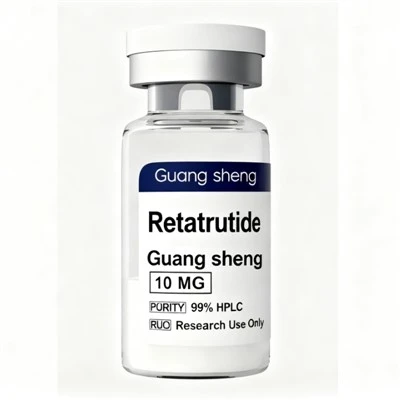
First, let’s start with the basics: what even is a peptide, anyway? You’ve probably heard of proteins, right? Peptides are just smaller chains of amino acids—they’re the building blocks of protein, basically. Think of ‘em like tiny, specific messengers in your body. Your body already makes thousands of peptides on its own to regulate everything from hunger to energy levels to how your cells repair. The weight loss peptides we focus on aren’t random—they’re lab-made versions of those natural messengers, crafted to target specific systems that play a big role in weight management. Fat burners, on the other hand? Those are a whole other category—usually a mix of vitamins, herbs, caffeine, and sometimes stimulants that are supposed to “boost” your metabolism or make you burn more calories throughout the day.
Let’s get into how each works, because that’s where the lines stop blurring. Take weight loss peptides like those we supply: our go-to’s are things like semaglutide (wait, yeah, that’s a peptide) or tirzepatide, but even smaller, less commonly talked about ones like CJC-1295 with DAC or IPAMORELIN. These don’t just “speed up” your metabolism like a fat burner—they work by telling your body’s natural systems to do things they might be slacking on. For example, semaglutide targets your GLP-1 receptor, which is the same one your gut releases when you eat to tell your brain “I’m full, stop eating.” So instead of you fighting through constant snacking or overeating because your hunger signals are out of whack, these peptides calm that hunger response. They also slow down how fast your stomach empties, so you stay fuller longer—no random 3 PM candy crashes because you skipped lunch, just steady energy that doesn’t make you reach for extra calories.
Fat burners? Most of ‘em work differently. The ones you find over the counter (OTC) at supplement stores usually have ingredients like green tea extract, caffeine, or synephrine. Caffeine, for example, might give you a temporary energy jolt and slightly bump up your resting metabolic rate for an hour or two, but that effect fades fast—plus, if you’re sensitive to caffeine, it can make you jittery, anxious, or even mess with your sleep, which is counterproductive for weight loss (bad sleep kills your hunger hormones, trust me). Some fat burners also claim to “block fat absorption,” but studies show that those claims are often overblown, and they don’t address the root issues that make weight loss hard for most people: unregulated hunger, low metabolism because of muscle loss, or imbalances in your body’s hormone signals.
Wait, another big difference: what they affect. Weight loss peptides are systemic, meaning they target how your body processes fat, hunger, and energy at a hormonal level. For example, some of the peptides we supply also help preserve muscle mass while you lose fat. That’s a huge deal—because a lot of people who use harsh fat burners end up losing muscle along with fat, which slows down your metabolism over time. Muscle is metabolically active, meaning it burns calories even when you’re sitting on the couch. Lose muscle, and your body needs fewer calories to function, so you might hit a plateau even if you’re eating less and moving more. Weight loss peptides, though, support muscle retention, so when the scale goes down, it’s mostly fat, not hard-earned muscle.
Fat burners? Most of ‘em don’t care about muscle. They’re designed to give you a temporary boost in calorie burn, but they don’t do anything to keep your muscle mass. So yeah, you might burn a few extra calories in a day, but if you’re not lifting weights or eating enough protein, you’re losing muscle instead of fat long-term. That’s why so many people stop taking fat burners and gain all the weight back—because their metabolism dropped when their muscle mass went down.
Let’s talk about side effects, too, because no one wants to deal with unwanted stuff. Peptides, especially the ones we work with for weight management, are generally well-tolerated when used as directed (always follow a proper protocol, by the way—don’t just guess on doses). The most common side effects are mild: maybe a tiny injection site irritation, a little nausea at first while your body adjusts, or mild changes in hunger signals that fade after a week or two. For fat burners, especially the ones with high caffeine or stimulants, side effects can be way more unpleasant: jitters, heart palpitations, headaches, insomnia, and even digestive issues like cramping or diarrhea. Some people even develop a tolerance to stimulant-based fat burners, so they have to take more over time to get the same effect, which can lead to more serious issues like elevated blood pressure.
Wait, let’s address a common myth here: both are marketed as “quick fixes,” and neither is a magic bullet. But the way they fit into your lifestyle is totally different. If you’re someone who struggles with constant hunger, can’t stick to a calorie deficit because you’re ravenous all the time, and have tried diet and exercise without much luck because your hormones are out of whack, weight loss peptides might make sense. They’re meant to be paired with a balanced diet and regular movement, not replace those. Fat burners, on the other hand, are sometimes marketed as “take this and eat whatever you want,” which is a problem—they don’t fix the root of weight gain, so if you’re eating a bunch of processed food and sitting on the couch, even a strong fat burner won’t make the weight stay off long-term.
Let me give an example to make this real. A friend of mine tried fat burners last year—she’d been trying to lose the last 15 pounds after having her baby, but her hunger was out of control. She took a fat burner with green tea extract and caffeine, worked out a few times a week, and cut back on soda. She lost 5 pounds in a month, but she was exhausted, had headaches, and binged on chocolate every few days because the fat burner didn’t curb her actual hunger. Once she started working with a provider who recommended a specific weight loss peptide (a GLP-1 agonist, which is what we supply), she noticed her hunger went down in like 3 days. She still ate healthy, walked her dog every night, and lost 10 pounds over the next 2 months—no jitters, no binges, and she didn’t gain it back after stopping the peptide because she learned to manage her hunger signals naturally. That’s the difference in action, right there.
Another thing to think about: regulation. In the U.S., OTC fat burners are considered dietary supplements, which means the FDA doesn’t test them for safety or effectiveness before they hit the market. A lot of times, the ingredients listed on the bottle don’t even match what’s actually in the product—there have been cases where fat burners had hidden stimulants that weren’t declared. Weight loss peptides, though, when used under the guidance of a healthcare provider and sourced from a reputable supplier (like us), are subject to more oversight because they’re often prescription-based or used in clinical protocols. We make sure our peptides are pure, dosed correctly, and follow all safety guidelines, so you’re not putting something untested into your body.
Wait, let’s not forget the difference in long-term results. I’ve seen so many people bounce between fat burner cycles—lose a few pounds, gain it back, repeat. That’s the yo-yo weight cycle that messes with your metabolism and mental health. Weight loss peptides, because they target hormonal imbalances, can help reset how your body regulates hunger and fat storage. So when you stop using them (under provider guidance, not cold turkey), you’re more likely to keep the weight off because your natural hunger signals are back in check. Fat burners don’t do that reset—they just give you a temporary boost, so once you stop, your old habits and old hunger signals come back, and the weight follows.
Now, I know some people are thinking, “But peptides are expensive, and fat burners are cheap.” Yeah, that’s true for OTC stuff. But when you factor in side effects, yo-yo weight gain, and the fact that fat burners usually don’t work long-term, the cost adds up. You might buy 3 different fat burners a year, each for $40-$50, and still not get results. With a weight loss peptide, you’re investing in something that addresses the issue at the source, so you might need one 3-month course, and then you’re good to maintain. That’s a difference worth thinking about, especially if you’re tired of wasting money on products that don’t deliver.
Let’s wrap this up: the core difference is that weight loss peptides are hormone regulators that target the root causes of weight gain (uncontrolled hunger, imbalanced fat storage, muscle loss), while fat burners are stimulant-based products that give a temporary boost in calorie burn without fixing those root issues. Peptides work with your body, not against it, to help you make sustainable changes, whereas fat burners often rely on stimulants that can cause unpleasant side effects and don’t lead to long-term success.

If you’re interested in learning more about the weight loss peptides we supply, or want to talk through which option might fit your goals (and no, we won’t pressure you—we just want you to make an informed choice), feel free to reach out to connect for a consultation. We’re here to answer questions, clarify protocols, and make sure you know exactly what you’re using before you start.
Repair Peptides References
- National Institute of Diabetes and Digestive and Kidney Diseases. (2023). Obesity Management: Hormonal Regulation of Appetite and Energy Balance.
- Journal of the Academy of Nutrition and Dietetics. (2022). Adverse Effects of Over-the-Counter Weight Loss Supplements: A Systematic Review.
- Endocrine Reviews. (2021). Glucagon-Like Peptide-1 Receptor Agonists: Mechanisms of Action and Clinical Applications in Weight Management.
- Sports Medicine. (2020). Effects of Weight Loss Supplements on Skeletal Muscle Mass and Metabolic Rate in Overweight Adults.
Ruypeptide Biotechnology Co., Ltd.
Ruypeptide Biotechnology Co., Ltd. is one of the most professional lose weight peptides manufacturers and suppliers in China. With abundant experience, we warmly welcome you to buy discount lose weight peptides in stock here and get pricelist from our factory. Quality products and reasonable price are available.
Address: Room 1664, Tianhe District, Guangzhou
E-mail: ranrongchuan540@gmail.com
WebSite: https://www.gslifepharma.com/
