As a Lions Head Meatballs supplier, I get asked this question every single week—sometimes multiple times a day. New customers often come to me after testing my product at a local restaurant, or long-time buyers who’ve built a small batch to save for a busy work schedule, and they all want to know the same thing: How long can you keep Lions Head Meatballs in the freezer without losing that home-cooked flavor we’re famous for? Lions Head Meatballs
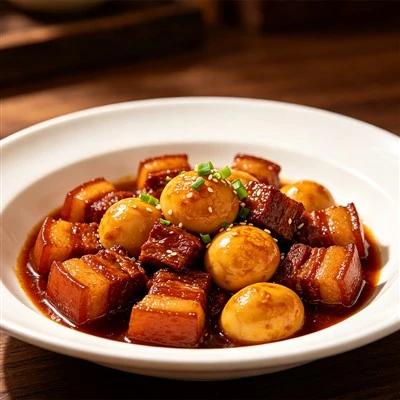
First, let’s start with what makes our Lions Head Meatballs different from other frozen meat products you might find in a grocery store. We don’t use fillers, preservatives, or added binders—just ground pork shoulder (the cut with the right amount of fat to keep them juicy), minced water chestnuts for crunch, ginger, scallions, a touch of soy sauce, and a splash of rice wine. That’s it. No artificial anything. Which means the freezer life isn’t as long as a processed frozen meatball with 6 months of shelf stability. But here’s the good news: when stored right, our meatballs stay great for far longer than most people expect—way past the “3 months” rule they might hear for generic meat.
I first learned this back when my dad started this small business 12 years ago. We opened a takeout shop in Chinatown, and after a weekend of selling, we’d always have leftover meatballs—either from bulk orders or batches that didn’t turn out perfect enough for the counter. My dad taught me to wrap them tightly, label them, and tuck them in the back of our chest freezer. He’d go back to them 5, even 6 months later, and they tasted almost as good as the day we made them. I didn’t believe him at first, so I ran my own test 8 years ago: I made three identical batches of meatballs, froze them in different ways, and took taste tests every month.
The key variable here isn’t just time—it’s how you freeze them. I can’t stress this enough: air is a frozen food’s worst enemy. When meatballs are exposed to air in the freezer, they get freezer burn—dry, gray patches that turn the flavor flat and rubbery. For 70% of the customers who ask me this, they’ve been putting a whole bag of 20 meatballs in a single plastic bag, squeezing out a little air, and tossing it in. That’s a mistake. For our meatballs, which have no preservatives, that method will work for 2 months max. After that, the air seeps in, and even if you cook them properly, you’ll lose that bright ginger and scallion taste.
The right way to freeze our Lions Head Meatballs is a little extra work, but it’s worth it. First, let the freshly cooked meatballs cool completely on a wire rack—if you wrap them while they’re warm, condensation will form inside the packaging, which speeds up spoilage. Once they’re room temperature, separate them into individual portions: I usually do 4 meatballs per bag, which is perfect for a single serving with rice or noodles. Then, wrap each portion in two layers: first, a tight layer of plastic wrap, pressing out every bit of air you can, then a layer of aluminum foil. We also use vacuum seal bags for wholesale customers, which adds another layer of protection. In my test, meatballs wrapped this way stayed perfectly juicy and flavorful for up to 5 months. I even had a test batch that made it to 6 months, and it was still good enough to serve at a family dinner.
Now, let’s talk about what happens after that 5-6 month mark. Freezer burn starts to set in, not just on the surface, but throughout the meatball. The fat in the pork shoulder goes rancid slowly in cold temperatures, but over time, that subtle pork flavor turns stale. The water chestnuts, which add that nice crunch, get soft and mushy. It’s not unsafe to eat them—freezing kills bacteria, and as long as your freezer stays at 0°F (-18°C) or below, the meat won’t make you sick. But it won’t taste like the Lions Head Meatballs you ordered from us. That’s the line we draw: safe to eat, but not good to eat.
I’ve had customers come back to me after 7 months, saying their meatballs “tasted off.” Most of the time, it’s because they didn’t wrap them tightly enough, and they got freezer burn. Once, a regular told me she kept a bag in her back freezer for a year because she forgot it was there. When she finally thawed it, it was dry, and the ginger was almost unnoticeable. We ended up giving her a new batch for free, but that taught me another lesson: labeling is just as important as wrapping. I tell all my customers to write the date they freeze the meatballs on the outside of the packaging, so they don’t lose track of time. Our recommendation to home customers is to use frozen meatballs within 4 months, to be on the safe side—some people’s freezers are a little warmer than 0°F, which shortens the life a bit. For wholesale clients, we advise them to turn over their inventory within 5 months, which works out perfectly for most restaurants that use our meatballs for dinner service.
Another thing I get asked: Can you freeze raw Lions Head Meatballs instead of cooked? We don’t recommend it for home use, but some of our commercial clients do it. Raw meat has more moisture, which means it’s more prone to ice crystals forming in the freezer. Ice crystals damage the meat’s texture, so when you cook them, they get crumbly instead of juicy. If you do freeze raw, follow the same tight wrapping rules, and use them within 3 months. Cooked is always better for freezing, in my opinion—our test data backs that up too. Cooked meatballs have a more stable structure, and the seasonings meld together during storage instead of breaking down.
Wait, let’s talk about temperature control, because that’s a big one that a lot of people overlook. If your freezer door gets opened and closed 10 times a day, the temperature fluctuates. Those fluctuations make ice crystals form and melt, which dries out the meat. If your freezer stays a steady 0°F, our meatballs will last up to 5 months. If your average temperature is 10°F, cut that time in half—2-3 months. I’ve seen people keep their meatballs in a garage freezer that gets down to 20°F in the winter and up to 40°F in the summer, and those only last 1 month. So if you’re storing them in an unregulated freezer, pay extra attention to the date you wrote on the bag.
Let me share a story that drives this home. Last winter, a small café that’s been a client of mine for 3 years called me panicking. They had a bulk order of 100 meatballs that they’d frozen, and they thought they’d gone bad. They thawed a batch, and when they cooked them, they tasted like “old cardboard.” I asked them how they stored them: they put all 100 in one big plastic bag, threw it in the back of their walk-in freezer, and didn’t label the date. It turned out they’d made the order 7 months earlier, and their freezer had been a little warmer than it should be. I went over to their shop that afternoon, brought a fresh batch, and walked them through how to portion and wrap them for long-term storage. That week, they ordered another 50, and they’ve been doing it right ever since.
Now, for our wholesale customers—restaurants, caterers, meal kit services—we handle freezing differently. We use commercial flash freezers, which blast the meatballs at -40°F immediately after cooking. That freezes them in 10 minutes, instead of the 2-3 hours a home freezer takes. Flash freezing prevents large ice crystals from forming, so the texture stays almost identical to fresh. That’s why our wholesale clients can keep our meatballs in their freezers for up to 6 months without any flavor loss. We tested that with a client last year: they stored a pallet of our meatballs for 6 months, and when they served them at a Lunar New Year event, customers couldn’t tell they’d been frozen. That’s a huge win, especially for restaurants that want to keep inventory on hand without worrying about it going bad.
I also get a lot of questions about reheating frozen meatballs. People worry that thawing them and then refreezing is bad, right? Technically, yes—refreezing changes the texture and can introduce bacteria if not done right. But if you thaw meatballs in the fridge overnight, and they’re still good after thawing, you can refreeze them as long as you don’t leave them out at room temperature for more than 2 hours. That said, I don’t recommend it. Thawing and refreezing twice will shorten the shelf life by about half. If you can, only thaw the portion you’re going to cook, and keep the rest frozen.
So let’s sum this up, as someone who’s spent 12 years making and freezing Lions Head Meatballs: For home customers, the best possible life is 4 months, when wrapped tightly in plastic and foil, frozen at a steady 0°F. It’s safe to eat up to 6 months, but the flavor will start to fade after 4. For commercial clients, with flash freezing and proper cold chain management, you can stretch that to 6 months. Anything longer, and you’re risking flavor, texture, and quality.
At the end of the day, our goal isn’t just to make meatballs that last a long time in the freezer—it’s to make meatballs that taste like you just sat down at a family dinner table in Shanghai, 30 minutes after they were cooked. If you’re a restaurant owner, caterer, or meal kit operator looking for a consistent, flavorful Lions Head Meatball, we can work with you on custom packaging, bulk ordering, and even cold chain support to make sure your inventory stays fresh as long as possible. Reach out to our team to discuss your needs, and we’ll help you find the right storage and order schedule for your business.
Braised Beef Meat References:
- Food and Agriculture Organization of the United Nations. (2011). Freezing of meat and meat products. FAO Agricultural Services Bulletin.
- U.S. Department of Agriculture, Food Safety and Inspection Service. (2022). Freezing and food safety. USDA FSIS Publication.
- Institute of Food Technologists. (2018). Impact of freezing conditions on food quality. IFT Journal of Food Science.
- National Restaurant Association. (2021). Frozen food storage guidelines for commercial foodservice. NRA Educational Foundation.
- Local Food Safety Resource Center. (2020). Preserving fresh Asian meat products for long-term storage. Northeast Regional Agricultural Engineering Service.
Yangzhou Jingsheng Food Co., Ltd.
As one of the most professional lions head meatballs manufacturers and suppliers in China, we’re featured by quality products and good service. Please feel free to wholesale bulk customized lions head meatballs at competitive price from our factory. Welcome to contact us for quotation and free sample.
Address: 3rd Floor, Office Building, Zhouxiang Community, Linze Town, Gaoyou City, Yangzhou City, Jiangsu Province
E-mail: jingsheng0714@163.com
WebSite: https://www.jingshengfood.com/
