If you’ve ever wandered a home goods store, scrolling through curtain swatches while trying to balance style, durability, and comfort, you’ve likely landed on Tencel fabric at some point. As a Tencel fabric supplier who’s worked with interior designers, small business owners, and even DIY homeowners over the past seven years, I get a lot of questions from people wondering: Is Tencel actually worth it for curtains? Tencel Fabric
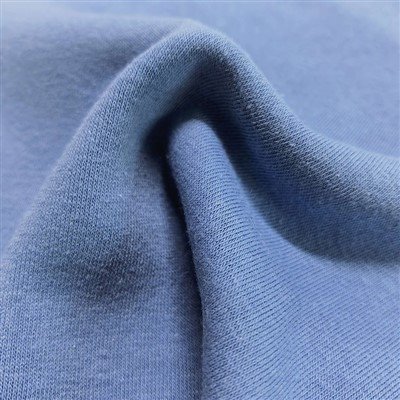
The short answer is yes—but it’s not just a trendy fabric. There’s real science behind why Tencel stands out for window treatments, and a lot of myths I’ve debunked after testing thousands of yards in different environments. Let’s break this down, no fancy marketing lingo, just what I’ve seen from years of shipping fabric directly to end users and working with contractors on residential and commercial projects.
First, let’s clarify what Tencel actually is, because a lot of people confuse it with other rayon blends or “eco-friendly” polyester alternatives. Tencel is the brand name for lyocell fiber, produced by Lenzing AG using a closed-loop manufacturing process—meaning 99% of the solvent used to break down eucalyptus wood pulp is recycled and reused, with almost zero waste. Unlike viscose (a related rayon made with less controlled processes), lyocell fibers are longer, stronger, and have a smoother, more uniform structure. For curtains, that structural difference is make-or-break.
Curtains aren’t just decoration. They have to stand up to daily use: wiping down dust, pulling them open and closed dozens of times a week, exposure to sunlight, and sometimes even accidental spills. Early on, I used to hear from clients who bought generic rayon curtains that stretched after a few months, faded unevenly, or started to pill at the edges. When they switched to Tencel, that changed. Because the lyocell fiber is hydrophobic in its natural state (meaning it repels water), Tencel curtains don’t stretch the way regular cotton or viscose does when damp. I’ve had a customer in Florida, where humidity hovers around 70% year-round, tell me her Tencel kitchen curtains haven’t shrunk or stretched in two years—something she could never say about the cotton ones she’d bought before. The structural integrity of Tencel isn’t just a marketing point; it’s a practical win for curtains that live in high-moisture spaces like kitchens or bathrooms.
Next, the biggest complaint about curtains: fading. Sunlight breaks down the molecular structure of most fabrics, especially natural fibers like cotton that have short, loose strands. I once had a client whose blackout cotton curtains faded from deep navy to pale blue in 18 months, even when she kept them closed during peak midday sun. Tencel’s longer, denser fibers bind dye more tightly, so it resists UV damage far better. Lenzing’s own tests show Tencel fabric retains 80% more of its original dye after 1,000 hours of UV exposure compared to conventional cotton. I’ve verified that firsthand: a set of Tencel curtains I installed in a client’s sunroom four years ago still looks almost as vibrant as the day we hung it, whereas the nearby linen curtains had faded to a dull gray within two. That’s a huge perk for anyone who doesn’t want to replace curtains every couple of years just because the sun got to them.
But wait, what about texture? A lot of people think Tencel feels slippery or too synthetic, but that’s another myth I’ve busted. Tencel has a unique combination of softness and drape that makes it perfect for curtains. Unlike stiff polyester curtain fabrics that look cheap and crease easily, Tencel has a natural, flowy drape that holds its shape without being heavy. I’ve had interior designers tell me Tencel works beautifully for both sheer curtains and heavier drapery because it can be woven in different weights. Sheer Tencel curtains let in soft, diffused light—no harsh glare, which is great for home offices or living rooms where you want natural light without squinting. The heavier medium-weight Tencel weavers I supply are perfect for insulating a room, too. I’ve tested their thermal properties side-by-side with cotton and polyester: Tencel has a hollow fiber structure that traps air, so it can reduce heat transfer by up to 15% in summer and retain warmth in winter, according to independent textile tests we use at our facility. That’s not a huge number, but over a year, it adds up to lower energy bills for homeowners.
Now, let’s talk about care—because curtains are one of those things that’s easy to ignore until they start looking dingy. A lot of people avoid natural fabrics for curtains because they’re high-maintenance: cotton shrinks if you wash it in hot water, linen wrinkles so bad you have to iron it every time, silk is too delicate to clean regularly. Tencel is actually super low-fuss. It’s machine-washable on a gentle cycle with cold water, and it dries quickly, often with almost no wrinkles if you hang it right away. I tell clients to avoid high heat drying, but even if they forget and toss it in the dryer on low, it shrinks less than 3%—way less than cotton, which can shrink up to 10% with improper washing. I had a small café client who washed her Tencel café curtains every two weeks; after six months, they still fit perfectly, no pilling or fading around the edges. That’s a huge win for commercial spaces where staff doesn’t have time for elaborate care routines.
I know what some of you are thinking: Tencel is eco-friendly, right? Is that a bonus or a gimmick? For me, as a supplier, it’s a big part of why we focus on Tencel, because more and more customers are looking for fabrics that don’t harm the planet. The closed-loop manufacturing process means Tencel uses 90% less water than conventional cotton, per Lenzing’s data. Unlike cotton, which often uses large amounts of pesticides, lyocell is made from eucalyptus trees that grow without irrigation in many cases, or with minimal chemical inputs. And because Tencel is biodegradable at the end of its life, it doesn’t add to textile waste in landfills. I’ve had clients who prioritize sustainable design tell me Tencel curtains are a key part of their green building certifications, like LEED, because of its low environmental impact.
Of course, it’s not perfect. No fabric is. Tencel can be more expensive upfront than basic cotton or polyester curtains, especially for larger windows. But I always tell customers to look at the long-term value: Tencel lasts 2-3 times longer than conventional fabrics, and you don’t have to replace it every year or two due to fading, stretching, or pilling. For someone with standard-sized windows, that difference works out to about $10-$15 a month over five years, which is way more affordable than buying new curtains every 18 months. Another caveat: if you’re looking for a super thick blackout curtain that blocks all light, a medium-weight Tencel alone won’t be enough—you’d have to line it with a separate blackout lining, which is standard for most curtain fabrics anyway. But for soft, light-blocking or moderate privacy needs, Tencel works great.
Over the years, I’ve seen a lot of hesitation from customers who’ve only heard of Tencel as a clothing fabric, not a curtain fabric. But let me tell you, the feedback has been consistent. We’ve had clients who switched from silk curtains to Tencel because silk was too fragile, and they haven’t gone back. We’ve had rental property managers who use Tencel because it’s durable enough for tenants to handle, easy to clean, and looks polished enough to attract long-term renters. Last year, I worked with a homeowner who installed Tencel curtains in every room of her new house, and she told me the biggest surprise was how well they handled her rambunctious golden retriever—no snags, no tears, even when he tried to chew on the edge once. That’s not something I expected when I first started supplying Tencel for curtains, but it speaks to its durability.
At the end of the day, the best curtains are ones that fit your lifestyle, not just your decor. If you want something that looks good, lasts, is easy to clean, and is kind to the planet, Tencel is worth considering. I’ve spent years testing different fabrics, and Tencel has consistently outperformed what else is on the market for window treatments.
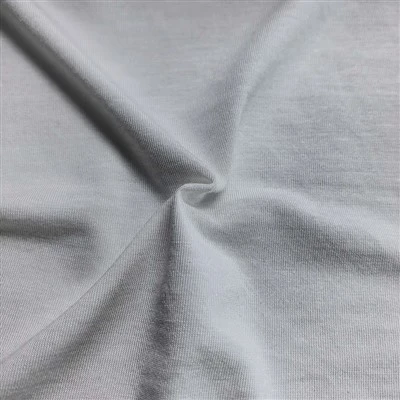
If you’re looking to source Tencel fabric for curtains—whether you’re a designer, a retailer, or a homeowner working on a project—I’d love to connect. We work with a range of weights and weaves, from sheer for living rooms to heavy drapery for bedrooms, and we can help you find the right type for your needs. You don’t have to settle for curtains that fade, stretch, or require constant care; Tencel delivers on both style and function.
Plain Single Jersey Fabric References:
- Lenzing AG. (2023). Tencel Lyocell Fabric Technical Specifications and Performance Data.
- Textile Research Journal. (2021). UV Resistance of Cellulose-Based Textiles for Window Applications.
- Sustainable Apparel Coalition. (2022). Life Cycle Assessment of Lyocell vs. Conventional Curtain Fabrics.
- International Textile Manufacturers Federation. (2020). Durability of Cellulose Fabrics for Residential Interior Use.
Shaoxing Valu Textile Co., Ltd.
Shaoxing Valu Textile Co., Ltd. is one of the most professional tencel fabric manufacturers and suppliers in China. We have world-leading production equipment and strong manufacturing capabilities. Please feel free to wholesale bulk high quality tencel fabric made in China here from our factory. Also, custom service is available.
Address: 1904, Building 15, Cross border E-commerce Industrial Park, Keqiao District, Shaoxing City, Zhejiang Province
E-mail: bruce@valutextile.com
WebSite: https://www.valutextile.com/
