Hey everyone, let’s cut to the chase. If you’re reading this, you’re probably wondering: how long does a folding house actually last? As a folding house supplier, I get this question all the time—whether it’s from someone looking for a tiny home for their backyard, a contractor needing temporary office space, or a small business owner eyeing a pop-up retail spot. And honestly? It’s not a one-size-fits-all answer. I’ll break this down like I would chat with a friend, no fancy jargon, just real facts. Folding House

First, let’s start with what a folding house is, because some folks still mix them up with flimsy pop-up tents or the old run-down modular units you see at construction sites. Our folding houses (and most quality ones on the market) are prefabricated structures that fold flat for transport, then expand on-site into a full living or working space. They’re built with way more durable materials than tents—think corrugated steel frames, insulated double-layer walls, and waterproof roof panels. So right off the bat, the lifespan is way longer than a temporary tent, which lasts maybe 3-5 years if you’re lucky.
Now, the big number: on average, a well-maintained folding house can last anywhere from 20 to 30 years. Wait, that’s not a typo. But here’s the catch—“well-maintained” is key. If you just drop it on a plot of land, leave it out in the rain, and never fix a small dent or leak, it’ll probably only make it 10-15 years tops. Let’s get into the factors that actually impact how long yours lasts, because that’s what really matters, not just the generic number.
First up: material quality. This is where I see a lot of suppliers cut corners, and it kills the lifespan fast. We use 14-gauge steel frames for our folding houses—thicker than the 18-gauge you might find on cheap units—and that’s a game-changer. Thinner steel rusts easier, especially if it’s not coated properly. Our frames get a powder-coat finish, which is way more resistant to chipping and rust than regular paint. For walls, we go with rigid EPS insulation sandwiched between two layers of OSB board, not the flimsy foam board some brands use. The roof? We use TPO membrane, which is UV-resistant, so it doesn’t crack or peel after a few years of sun exposure. If a supplier uses cheap materials, your folding house might start falling apart in 5-7 years, no matter how well you maintain it.
Next, how you set it up. A folding house is only as good as its installation. I’ve seen clients try to set them up themselves to save money, and that’s where problems start. If you don’t level the base properly, stress on the frame gets uneven—one side might sag, which can twist the structure over time. Or if you don’t seal the expansion joints right, water gets in, rots the wood, and causes mold. We always recommend having a professional install your folding house, and even offer on-site setup support for all our customers. A proper install adds at least 5 years to the lifespan, easy.
Then, environment. Where you park your folding house makes a huge difference. If you’re in a mild climate—think Pacific Northwest, where it rains a lot but doesn’t get extreme cold or heat—your unit will last longer than if you’re in, say, Arizona (super hot, UV rays blasting) or a place with harsh winters, like Minnesota, where freeze-thaw cycles can mess with the foundation. Wind is another big one. Our folding houses are engineered to withstand 100 mph winds, but if you park it in a tornado-prone area and don’t secure the tie-downs, that’s a problem. Also, if you’re near the coast, salt air can corrode steel faster—we recommend an extra anti-rust coating for coastal setups, which adds a few years.
Maintenance habits—this is the biggest factor most people overlook. It’s not hard, but skipping small things adds up. Let’s break down basic maintenance: every 6 months, check the roof for debris (leaves, branches) that can trap water and cause leaks. Clean the gutters (even folding houses have gutters, weird right?) so water doesn’t back up. Inspect the frame for rust spots—if you see a small one, sand it and touch it up with paint immediately, don’t let it spread. Every year, check the expansion joints to make sure the seals aren’t cracking, and lubricate the hinges on the folding mechanism to keep it moving smoothly (stiff hinges put stress on the frame). If you live in a cold area, clear snow off the roof after big storms—too much weight can warp the roof panels. Do all that, and your folding house will hit that 30-year mark no problem. Skip it, and you’ll be replacing parts every few years, which might make you think it’s a bad investment.
Wait, but what about moving it? A lot of people want to move their folding house later, right? Maybe you’re relocating, or you outgrow the spot, or you want to take it to a new property. Does moving affect the lifespan? Short answer: only if you do it wrong. If you hire a professional transport team that knows how to load and unload it without scratching the frame or bending the panels, you can move it multiple times and it’ll still be good. I’ve had customers who’ve moved their folding houses 3 times in 10 years, and it’s still going strong. But if you try to drag it on the ground without a trailer, or force the folding mechanism when it’s not aligned, you’ll damage the frame and shorten the life.
Now, let’s talk about real examples. We sold a folding house in 2012 to a guy who used it as a remote office for his landscaping business, out in rural Oregon. He’s done all the basic maintenance—cleans the roof, touches up rust spots, lubricates hinges every year. We checked in with him last year, and he said it’s still in perfect shape, no leaks, no structural issues. That’s 11 years, and he expects to get at least 15 more. On the flip side, we had a customer who bought a super cheap folding house from a guy online, set it up himself, and didn’t do any maintenance. He said the roof started leaking after 4 years, the frame was rusted, and he had to replace half the walls. That’s why quality matters.
Also, let’s clear up a common myth: folding houses aren’t temporary. A lot of people think they’re just for “emergency use” or “short-term,” but that’s not true. They’re built to be permanent structures if you want them to. You can hook them up to plumbing, electricity, sewage, even build a foundation for them. We have customers who live in folding houses full-time, some for over a decade. The only time they’re temporary is if you need them for a pop-up event, like a farmers market booth or a concert ticket office—they’re super easy to fold up and move for that.
So, to wrap this up: the lifespan of a folding house isn’t a fixed number. It’s a range, based on three main things: the quality of the unit, how you set it up, and how well you maintain it. Cheap, poorly made units might last 5-10 years. Mid-quality, good install, regular maintenance? 15-20 years. Premium materials, professional install, strict maintenance? 25-30 years, sometimes even longer.
Now, if you’re thinking about getting a folding house—whether it’s for a home addition, a guest house, a temporary office, a retail spot, whatever—don’t cut corners. Ask about the materials: what gauge steel is the frame? What’s the roof membrane? Do they include installation? And make sure you get clear maintenance tips.
If you’re ready to chat, or just have more questions, feel free to reach out to our team. We can send you a brochure, walk you through the different options, and even connect you with local installers if you need. No pressure, just honest answers, because we want you to get a folding house that lasts as long as you need it.
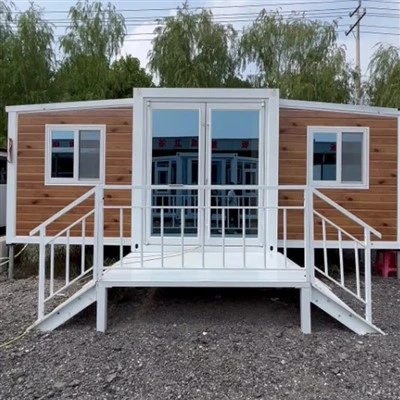
Don’t let anyone tell you folding houses are flimsy. With the right build and care, they’re a solid, long-lasting alternative to traditional structures. Let’s make sure you get one that serves you for years to come.
Capsule House References:
- International Code Council (ICC). "Prefabricated Structures and Modular Building Standards." 2021.
- Steel Frame Building Technology Institute (SBMTI). "Durability of Light-Gauge Steel Building Components." 2022.
- National Association of Home Builders (NAHB). "Maintenance Guidelines for Residential Prefabricated Structures." 2023.
- TPO Roofing Manufacturers Association. "UV Resistance and Lifespan of Thermoplastic Roof Membranes." 2022.
Jiangsu Suqian Longze Modular Construction Co., Ltd.
As one of the most professional folding house manufacturers and suppliers in China, our products have good reputation in the market. Please feel free to buy high quality folding house at competitive price from our factory. We also accept customized orders.
Address: No. 8, Weisan Road, Shuanggou Town, Sihong County, Suqian City, Jiangsu Province, China
E-mail: Lzmk88888888@163.com
WebSite: https://www.expandablehousefactory.com/
