When it comes to construction, engineered wood beams have become a go – to choice for many builders and contractors. As a supplier of engineered wood beams, I’ve seen firsthand the wide variety of options available in the market. In this blog, I’ll break down the different types of engineered wood beams that you can consider for your next project. Engineered Wood Beams

Laminated Veneer Lumber (LVL)
LVL is one of the most popular types of engineered wood beams out there. It’s made by bonding thin wood veneers together with adhesives under high pressure. The veneers are usually aligned in the same direction, which gives LVL its strength.
One of the big advantages of LVL is its consistency. Unlike solid wood, which can have knots, splits, or other natural defects, LVL is pretty much uniform throughout. This makes it a reliable choice for structural applications. For example, it’s commonly used for headers over windows and doors, as well as for floor and roof beams.
LVL also has a high strength – to – weight ratio. This means you can use smaller, lighter beams to support the same load compared to solid wood. That’s great for reducing transportation costs and making the construction process a bit easier.
Another plus is its dimensional stability. LVL doesn’t shrink, swell, or warp as much as solid wood, which helps maintain the integrity of the structure over time. However, it’s a bit more expensive than some other options. But if you’re looking for a durable and reliable beam for your project, it’s definitely worth considering.
Parallel Strand Lumber (PSL)
PSL is another type of engineered wood beam that I often recommend. It’s made from long, thin wood strands that are parallel to each other and bonded together with adhesives.
This beam is known for its high strength. It can handle heavy loads, making it suitable for large – scale construction projects like commercial buildings or industrial facilities. PSL beams are often used in applications where you need to span long distances without intermediate supports.
One of the unique things about PSL is its appearance. It has a smooth surface on the edges, which can be a plus if you want a more finished look, especially if the beams are going to be exposed.
However, PSL is also relatively expensive. And because of its high strength, it’s not always necessary for smaller residential projects. But if you’ve got a big job that requires a lot of strength and long spans, then PSL might be the right choice for you.
Glued – Laminated Timber (Glulam)
Glulam is a classic type of engineered wood beam. It’s made by laminating several layers of lumber together with strong adhesives. The layers can be arranged in different ways, depending on the design requirements.
One of the great things about glulam is its versatility. You can shape it into different curves and angles, which makes it perfect for architectural features like arched beams or curved roofs. This gives architects and designers a lot of creative freedom.
Glulam also has a natural, warm look. It can add a touch of beauty to a building, whether it’s a modern office or a rustic cabin. And since it’s made from real wood, it has a certain aesthetic appeal that some people really love.
In terms of strength, glulam is pretty strong and can handle significant loads. It’s commonly used in both residential and commercial construction for beams, columns, and trusses.
Like LVL and PSL, glulam is also resistant to shrinking and warping. But it does require some maintenance, especially if it’s exposed to the elements. You’ll need to protect it with finishes to prevent moisture damage.
I – Joists
I – joists are a bit different from the other types of engineered wood beams I’ve mentioned. They have an I – shaped cross – section, with a thin web in the middle and wider flanges at the top and bottom.
The design of I – joists makes them very efficient in terms of using materials. They’re light in weight but still strong enough to support floor and roof loads. This makes them a popular choice for residential construction, especially for multi – story buildings.
I – joists are also easy to install. They’re pre – cut to the right length, which saves time on the construction site. And because they’re lightweight, they’re easier to handle compared to solid wood beams or some of the thicker engineered beams.
One potential drawback is that the web of the I – joist is relatively thin, so it might be more vulnerable to damage from things like nails or screws driven into the wrong place. But as long as the installation is done correctly, this isn’t usually a big issue.
Oriented Strand Board (OSB) Beams
OSB beams are made from small wood strands that are oriented in specific directions and then bonded together with adhesives.
OSB beams are cost – effective, which makes them a great option for budget – conscious projects. They can offer decent strength for light – to – medium – load applications.
They’re also quite dimensional stable, similar to other engineered wood products. OSB beams are often used in less – critical structural applications or in situations where cost savings are a priority, like in some residential attic floors or small sheds.
However, OSB doesn’t have the same high – end look as some of the other engineered wood beams. And it might not be as strong as LVL, PSL, or glulam for heavy – load applications.
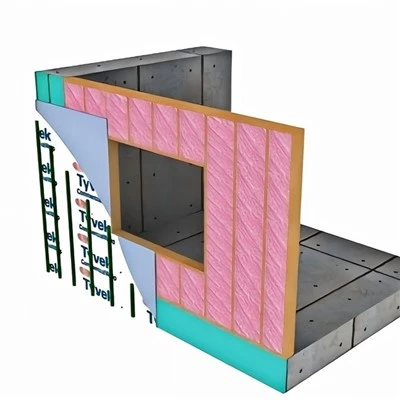
So, as you can see, there are several types of engineered wood beams available, each with its own pros and cons. When choosing the right type for your project, you need to consider factors like the load requirements, the budget, the desired aesthetic, and the installation process.
Outdoor Structures If you’re currently working on a construction project and need engineered wood beams, I’d love to help. As a supplier, I’ve got a wide range of products to suit different needs. Whether you’re building a small home or a large commercial complex, I can provide you with the right type of engineered wood beams at a competitive price. Get in touch with me to discuss your project requirements, and we can figure out the best solution together.
References
- American Wood Council. Engineered Wood Products Handbook.
- Forest Products Laboratory. Wood Handbook: Wood as an Engineering Material.
Zendekin Low-Carbon Technology Co., Ltd.
We are one of the most professional engineered wood beams manufacturers and suppliers in China. With abundant experience, we warmly welcome you to wholesale customized engineered wood beams from our factory. If you have any enquiry about quotation, please feel free to email us.
Address: Building 3, Yincheng INC Center, No.59 Tianyuan West Road, Jiangning District, Nanjing, Jiangsu, China.
E-mail: 13813916590@126.com
WebSite: https://www.zdqeco.com/
