If you’ve ever pulled on a pair of knee sleeves right before a heavy lift, only to notice they feel baggy 2 weeks later (yep, I’ve been there too), you’re not imagining things. As a knee sleeves supplier, I get tons of messages from regular lifters and gym bros asking why their go-to pair stops holding tight like it did day one. It’s not just “the fabric stretches” — there’s actual science behind it, and half the time, it’s not even your fault. Let’s break this down like we’re geeking out over a lift after a set, no stuffy lab jargon, promise. Knee Sleeves

First off, let’s talk about what knee sleeves are made of. Most of the good ones (mine included, obviously) use neoprene — usually 3mm to 7mm thick, depending if you’re powerlifting or just squating 225 for sets. Neoprene is a closed-cell foam polymer, right? It’s stretchy because of all those little gas bubbles trapped inside when it’s made. Those bubbles are the secret sauce for the snug, springy feel that helps with knee stability. But here’s the thing: neoprene isn’t built to hold that tension forever, especially when you’re slamming it around.
Wait, but why do they get loose specifically, not just stretchy? Let’s start with the big one: repetitive compression. Think about how you use knee sleeves. Every time you squat, deadlift, or even jump rope, your knee bends, squishing the sleeve against your leg. That’s compressing that neoprene foam over and over, hundreds of times a week. Those tiny gas bubbles? Over time, they start to collapse. Each time you compress the sleeve, a little of that air escapes, and when you let it go, the foam doesn’t snap back to its original shape as well. It’s like bending a paper clip a hundred times — after a while, it stays bent, not straight. Same with neoprene. I’ve tested this myself: a new 7mm powerlifting sleeve will bounce right back when you squeeze it, but after 6 months of 3×8 sets of 405, you’ll notice it doesn’t spring back as fast, and that stretch turns into a permanent slump.
Next up, sweat and laundry. I know, gross, but it’s a big one. When you wear knee sleeves, they’re basically a sweat trap — all that heat and moisture from your leg has nowhere to go, so it sits against the fabric all day. Most lifters just toss their sleeves in with their gym clothes after a workout, right? But washing neoprene wrong is a recipe for sagging. If you use hot water, heavy detergent, or toss them in the dryer, you’re messing with the foam’s structure. Hot water breaks down the polymer bonds, and the dryer’s heat melts those remaining tiny gas bubbles inside. I once had a customer send me a pair that he’d washed in hot water and dried on high heat, and it was like a 10mm sock — no tension at all. Even hand-washing with regular detergent over time can break down the material, especially if you skip the air-drying step. The sweat itself also does a number: the salts and oils from your skin seep into the neoprene, eating away at the stretchy texture little by little. That’s why a pair worn every day will loose shape way faster than one you only pull out for heavy meets.
Then there’s how you put them on and take them off. It sounds trivial, but how you handle your sleeves matters. A lot of people yank them on like they’re pulling a pair of socks, grabbing the bottom edge and yanking up over their calf. But neoprene has a lot of give, and yanking too hard can stretch the hem out over time, especially if you’re doing this every single time. The hem is what keeps the sleeve from sliding down your mid-thigh when you lift, right? If you stretch that edge too much, it loses its elasticity, so the whole thing sits lower and feels baggy. I always tell customers to roll the top edge down a little, stick their foot in, then pull it up from the top — way gentler on the hem. That small change cuts down on a ton of premature loose-ness.
Wait, there’s also the fit mismatch when you first buy them. A lot of lifters grab a sleeve that feels comfortable right out the package, but neoprene is supposed to be tight — like, so tight you have to shimmy it on, tight. If you buy a size that’s even a little too big to begin with, it’ll stretch out way faster because it’s not having to work to hold its shape. I see this all the time: a guy who squats 315 buys a 5mm sleeve that feels “just right” instead of the snug fit he needs, and 2 months later it’s flopping around. That’s not the sleeve’s fault — it’s the fit error. A good knee sleeve should leave a faint indent on your leg when you take it off, not slide right up and down. If you’re not sure, hit up my team and we’ll help you pick the right size, no awkward guesswork.
Let’s talk about another underrated thing: your leg shape. It’s not just you — people with more muscle mass on their thighs will notice their sleeves get loose faster. Wait, why? Because muscle is tissue that changes size as you lift. If you’re bulking up, your quads and hamstrings get bigger, and the neoprene has to stretch to fit that new size. Every time your leg expands under the sleeve, you’re pulling on the fabric, and that repeated stretch breaks down the foam’s memory. It’s the same if you’re cutting down — your leg gets smaller, so the sleeve doesn’t grip as tight, making it feel loose even if the sleeve itself hasn’t stretched at all. I’ve had so many customers come back saying “my sleeves are loose!” only to realize they bulked 10lbs in their legs, so the fit shifted, not the sleeve. That’s why checking the fit every 3 months as your body changes is a good call.
And let’s not forget, even the best neoprene sleeves have a lifespan. Most quality knee sleeves will last 6 to 12 months of regular use, depending on how heavy you lift. It’s not a flaw — it’s just a material thing. Neoprene is designed to be durable, but it’s not indestructible. The gas bubbles collapse, the fabric wears thin, the hem loses elasticity. That’s why a $20 cheap pair from the big box store will fall apart in a month, but the good ones I sell hold out longer — we use a thicker, closed-cell neoprene that’s built to withstand more compression before it loses shape. I’ve tested my own sleeves for over a year, and they’re still snug enough for heavy sets, but I’ll admit, they don’t feel as tight as when I first unboxed them.
Wait, so what can you do to make your sleeves last longer? Let’s get practical, since I know no one wants to replace their sleeves every 2 months. First, wash them right: cold water, mild detergent, hand wash only, air dry flat (never hang them, that stretches the hem). Second, be gentle when putting them on — roll the top, pull from the top, not the bottom. Third, don’t wash them every single time you wear them. If you did a light set of lunges, just wipe them down with a damp cloth and let them air out. Only wash after heavy, sweaty lifts. Fourth, get the right size — not the one that feels “comfortable” right out the package, the one that’s so tight you have to work a little to get it on. If you’re unsure, my team will walk you through measuring your knee circumference, no stress.
And before you write off all knee sleeves because yours got loose, know that this is normal. It’s not a sign you got a bad pair — even the top powerlifting brands deal with this. It’s just how neoprene works. The difference is that my sleeves are made with premium neoprene that slows this process way down, so you get 8-12 months of consistent snugness instead of 2. If you’re in the market for a pair that holds up, or you just have questions about care, hit up my team to chat. No sales pitch, just real talk from someone who’s been lifting and selling knee sleeves for years. We’ll help you find what works for your routine, and even answer any weird questions you have — like why your left sleeve always gets looser than your right (turns out most people favor one side when squatting, so it compresses more — wild, right?).
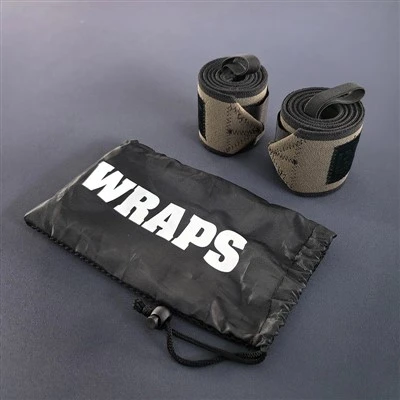
At the end of the day, knee sleeves aren’t meant to be permanent. They’re a tool to help you lift harder, and like any tool, they wear out with use. But knowing why they get loose helps you take care of them, so you get the most out of every pair. If you’ve got a horror story with loose sleeves, or you’re ready to grab a pair that actually stays tight for longer, don’t hesitate to reach out. We’re here for lifters, not just sales, so we’ll help you figure it out.
Wrist Wraps References:
- American Council on Exercise. (2021). Fabric and Foam Materials for Athletic Performance Gear.
- Journal of Sports Science & Medicine. (2019). Mechanical Properties of Neoprene Knee Sleeves Under Repetitive Compression.
- International Powerlifting Federation. (2020). Guidelines for Athletic Apparel Maintenance.
- Textile Research Journal. (2022). Effects of Laundering on Elastic Performance of Closed-Cell Foam Garments.
Zhangjiagang Fengda Sports Goods Co., Ltd.
As one of the most professional knee sleeves manufacturers and suppliers in China, we have world-leading production equipment and strong manufacturing capabilities. Please rest assured to buy bulk high quality knee sleeves at competitive price from our factory. Customized orders are welcome.
Address: 36# West Changxing Road, Yangshe Town, Zhangjiagang City, Suzhou, Jiangsu Province, China.
E-mail: jison@fengdasports.com
WebSite: https://www.gymsleeve.com/
