Hey everyone, if you’re in the construction, landscaping, or small-scale excavation game, you’ve probably had a run-in with mini dumpers—specifically micro tracked ones. But let’s be real: one question comes up way more than any other when folks are browsing options online, messaging our team, or geeking out over specs: What’s the actual weight of a micro tracked mini dumper? Tracked Mini Dumper
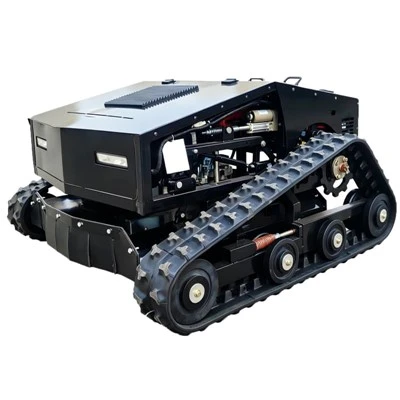
I get it. Weight isn’t just a random number to scribble on a spec sheet. For us as a tracked mini dumper supplier, it’s one of the first things we break down for customers because it ties directly to so many parts of their job—can they get it onto a worksite? Will it damage lawns or driveways? Can they load it onto a standard trailer? And don’t even get me started on transport costs; a 100lb difference can add hundreds to a hauling bill if you’re not careful.
Let’s cut the fluff here. A micro tracked mini dumper isn’t your full-size construction dump truck (those things weigh 10,000+ lbs, come on) nor even a standard mini dumper, which usually tips the scales between 2,000 and 5,000 lbs. Micro models are small, compact, made for tight spots, and their weight range is way narrower than you’d think.
First, let’s define what we mean by “micro” because there’s a lot of random labeling online. Some brands slap “micro” on anything under 1,000 lbs, others go up to 1,500 lbs, but from where we sit as a supplier, we stick to the standard that makes sense for actual worksite use: micro tracked mini dumpers are 500 to 1,500 lbs total weight. That includes the base machine, the hydraulic system, the tracks, and a full fuel tank (not empty, because who uses a dumper on empty gas?). But wait, that’s a general range—there are tiny tweaks that push one model a few hundred lbs up or down, and those tweaks matter.
Let’s break down why weight varies, because it’s not just for fun. The biggest factor is the payload capacity you’re looking at. If you need to haul small loads like mulch, gravel, or soil for a residential backyard project, you can go lighter—like a 500 lb model with a 500 lb payload. That thing’s perfect for squeezing through garden gates, no need for a big trailer to haul it. But if you’re on a commercial site that needs a bit more oomph, a 1,000 lb dumper with a 1,000 lb payload will work better, and it’s only a couple hundred lbs heavier. The materials used make a difference too: models with steel frames are a touch heavier than ones with high-density composite frames, but composite can cost more to fix if it gets banged up. Hydraulic add-ons—like extended arms for easier loading or a tilting skip to dump on uneven ground—also add a little weight.
You might be thinking: “Why does this matter so much? Can’t I just pick any dumper that fits my worksite?” Let’s run through real scenarios I’ve seen from customers over the years. Last spring, a landscaper we work with needed a dumper for a job on a historic downtown block. The worksite was sandwiched between two 100-year-old brick buildings, and the only access was a 3-foot-wide alley with a weak wooden side gate. He thought he could get away with a 1,200 lb dumper, but his old gate only supported 1,000 lbs max. That mistake almost cost him a day of work waiting to have the gate reinforced. If he’d asked the weight upfront, he could have grabbed a 850 lb model instead.
Another common issue: road regulations. In most places, a trailer that carries a dumper can’t exceed a certain weight without a special license. A lot of our customers don’t have a commercial license, so they stick to the trailer limit for personal vehicles, which is usually 1,500 lbs total (trailer + dumper + any extra gear). If your dumper is 1,400 lbs, that leaves 100 lbs for tools and fuel, which is tight. But a 1,000 lb dumper gives you 500 lbs extra for whatever you need. No one wants to get pulled over on the way to a job and deal with fines or having to unload half your load because you’re over the limit.
Tracks play a huge role here too, and they’re why mini dumpers use tracks instead of wheels. Rubber tracks are way lighter than steel tracks, which is why we almost exclusively offer rubber-tracked micro dumpers. A dumper with rubber tracks is 100 to 200 lbs lighter than one with steel tracks, which makes a massive difference for transport. Also, the weight of the dumper spreads out so evenly across the tracks that it doesn’t crush lawns or driveways—something a wheeled machine would leave ruts from. That’s a big selling point for homeowners and landscapers who don’t want to fix the damage they cause after a job.
Wait, let’s clear up a common myth. Some people say “weight doesn’t matter if you can haul the payload.” But that’s wrong. If you have a 1,000 lb dumper with a 1,000 lb payload, that’s 2,000 lbs total when it’s loaded. If you get a 1,500 lb dumper with the same 1,000 lb payload, that’s 2,500 lbs total, which means you might need a bigger trailer or pay more for transport. For small jobs, that extra 500 lbs of machine weight is a waste—you’re only hauling half as much useful load as the machine itself weighs. No one wants to spend more on fuel and transport just to haul a dumper that’s heavier than it needs to be.
Now, let’s talk about what we offer as a tracked mini dumper supplier, because I know you’re curious. Our line of micro dumpers sits right in that sweet spot we mentioned: 650 lbs up to 1,400 lbs. The 650 lb model is our entry-level one, perfect for small residential jobs—like hauling firewood, patio stones, or mulch around a backyard. It’s narrow enough to fit through 32-inch gates, and you can load it onto a small utility trailer with a pickup. The 1,400 lb model is our go-to for light commercial work—small excavation, utility line maintenance, or multi-room landscaping projects. It has a 1,200 lb payload, which is enough to move a yard of soil in one load without straining the machine.
We also make sure every spec is clear, because we hate when brands hide weight details. On our listings, you’ll find “operating weight” not just empty weight. Operating weight is what you get when it’s ready to work—full fuel, a full hydraulic fluid tank, and the standard skip. That’s the number that matters, not the empty weight someone might post online to make the dumper sound lighter. Empty weight doesn’t include fuel or fluids, so it’s useless for transport and worksite planning.
I’ve also heard from customers who used the wrong weight dumper for their job and regretted it. A guy a few months back bought a 1,600 lb dumper from a brand that called it “micro,” and he tried to load it onto his ½-ton pickup’s trailer. The trailer’s max capacity was 1,500 lbs, so he was over by 100 lbs every time he hauled it. The axle on his trailer bent, and he had to pay $800 to fix it. If he’d checked the operating weight (not empty weight) before buying, he would have picked our 1,400 lb model, which fits perfectly on his trailer and works just as well for his needs.
Another thing to consider: storage. If you don’t have a big garage or a worksite shed, you need a dumper that fits in a standard space. A 500 lb micro dumper is small enough to tuck into a 10×10 shed, but a 1,500 lb one might need a 12×12 spot. If you’re storing it on a worksite, weight matters for security too—heavier models are harder to steal, but lighter ones are easier to move if you need to reposition them without a forklift.
Let’s wrap this up so it’s not just a list of numbers. The weight of a micro tracked mini dumper isn’t a trivial detail—it’s tied to your budget, your ability to access worksites, transport costs, and even avoiding damage to property. As a supplier, we’ve seen firsthand how getting this number right saves customers time, money, and headaches.

If you’re in the market for a micro tracked mini dumper and you’re not sure which weight fits your needs—whether it’s for a small backyard project, a light commercial job, or something in between—hit us up. We can walk you through specs, break down how weight affects your specific use case, and help you find the right model without all the confusing jargon. Don’t guess on the weight—get the right info first, so your next job goes smooth.
Remote Control Mower References
- International Powered Access Federation. (2022). Compact tracked construction equipment: Weight and worksite access guidelines.
- Landscaping Network. (2023. Micro mini dumpers: Payload and weight considerations for residential projects.
- National Transportation Safety Board. (2021. Light vehicle trailer weight limits for small construction equipment.
Orca Intelligent Equipment Co., Ltd.
Orca Intelligent Equipment Co., Ltd. is well-known as one of the most reliable tracked mini dumper manufacturers and suppliers in China. Please rest assured to buy discount tracked mini dumper for sale here from our factory. All customized products are with high quality and competitive price.
Address: Tangcun Town Industrial Park, Zoucheng City, Shandong Province, China
E-mail: zoe@orca-ce.com
WebSite: https://www.orca-ce.com/
