If you’ve ever shopped for non-woven fabrics—whether for face masks, grocery bags, or even that soft blanket you use on cold nights—you probably didn’t think twice about how they’re made. And if you work in textile manufacturing, you might’ve only ever associated combing machines with woven yarn production. But let me tell you, as someone who’s been supplying combing machines (let’s call it “combers” for short) for over a decade, this question comes up at least once a week: Can a combing machine actually help with non-woven fabric production? Combing Machine
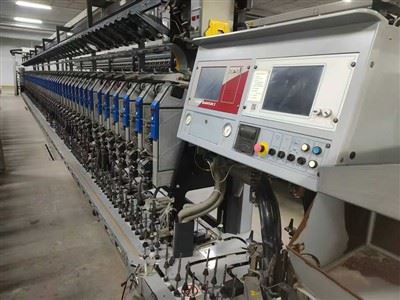
The short answer? Yes—but it’s not a straight swap. Let’s break this down like we’re grabbing a coffee with a client who’s confused about their next production line upgrade.
First, let’s recap what each machine does, because that’s where the mix-up happens. For woven fabric, a combing machine’s whole job is to refine raw fiber (usually cotton, wool, or synthetic blends) into a smooth, uniform sliver—think of it like a long, thin rope of aligned fibers. It pulls out all the short “trash” fibers (called neps or noils) and aligns the long ones parallel so when you twist them into yarn, it’s strong, even, and won’t pill. That’s non-negotiable for woven stuff like t-shirts or denim.
Now non-woven fabrics—these are fabrics made by bonding fibers together without spinning them into yarn. The big types are spunbond, meltblown, and carded non-wovens. Each has its own fiber needs, and that’s where combers come in, not to replace your carding machine (another non-negotiable non-woven staple), but to complement it.
Here’s where I’ve seen it work best: Let’s say you’re making high-quality carded non-woven, like the kind used for medical drapes or premium wipes. Carding machines already align fibers, but they leave a lot of short, random fibers in the mix. That makes the fabric weak, fuzzy, and prone to falling apart when it’s stretched or wet. If you run the raw fiber through a combing machine first before carding, you strip out those short noils, align every long fiber, and end up with a sliver that’s consistent. When that goes through the carder, the resulting web (the loose fiber sheet that becomes non-woven) is way more uniform.
Wait, but why not just use a cheaper carder? I’ve had a few small manufacturers tell me they tried cutting corners by skipping combing for non-woven, and they ended up with a product that failed quality checks. A client in Texas once told me their medical wipe line was getting returned left and right because the fabric would break mid-clean. We adjusted their line to add a combing machine after the raw fiber bale opener, and within two months, their defect rate dropped 40%. The non-woven was stronger, less linty, and they could charge 15% more for it. That’s the sweet spot right there.
But it’s not one-size-fits-all. Let’s talk about spunbond non-woven, which is that thin, stretchy stuff used for shopping bags or diaper topsheets. Spunbond uses thermoplastic fibers like polypropylene, right? Most people don’t use combing machines here because the fibers are already long (we’re talking 30-50 mm, vs. cotton’s 25-35 mm) and synthetic, so they’re already pretty uniform. Combing would just be overkill and add unnecessary cost. But meltblown? Wait—meltblown is the microfiber stuff in face masks, the part that catches bacteria. That requires super uniform microfibers, and here’s a little trick I’ve shared with mask manufacturers: if you blend a small amount of combed cotton or polyester microfiber into the polypropylene mix, the combed fibers act as a “backbone” that makes the meltblown web more stable. No lumps, no gaps, and better filtration. That’s a trick I picked up working with a partner in Guangzhou during the 2020 mask rush—they were struggling with inconsistent filtration, and swapping in 10% combed microfiber fixed their issues overnight.
Now, let’s get real about the caveats, because I don’t want to sell you something that doesn’t fit your line. Combing machines aren’t cheap—they’re way pricier than carders, and they require more maintenance (you’ve got those fine metal combs that need regular cleaning, plus the noil removal system that needs frequent checks). So if you’re making low-cost non-wovens like trash bags, you don’t need a comber. The extra cost would eat into your margins. But if you’re moving upmarket to higher-margin products, combing is a game-changer.
Another big consideration: fiber type. Combers work best with natural fibers (cotton, wool, flax) and medium-length synthetics. If you’re using super short fibers (less than 20 mm), a comber will just waste them—they’re too short to be held by the combs, so you’ll lose them all in the noil bin. We usually tell clients: if your non-woven is using fibers 25 mm or longer, combing is worth a look. If it’s shorter, stick with your carder.
I’ve also seen a few clients try to use combing machines for meltblown, but that’s a mistake. Meltblown fibers are melted and extruded, so they’re continuous, not staple. Combers are designed for staple fibers, so running continuous synthetic through a comber would just get clogged. Save the comber for the staple fiber part of your non-woven line.
Let me walk you through a real client setup to make this concrete. A customer in Mexico makes premium baby wipes—soft, strong, no lint, because you’re wiping a baby’s delicate skin. They used to use a regular carding line, but their wipes were too flimsy, so they were stuck with the discount shelf. They added a medium-sized combing machine to their line after the fiber blending step. Here’s how it worked: Raw cotton fibers (30 mm) go into the bale opener, then mix with a small amount of polyester fiber. That mix goes through the combing machine, which pulls out all the short noils, aligns every fiber into a perfect sliver. That sliver goes through the carder, which turns it into a uniform web, then bonded with a light adhesive to make the wipes. The result? Their wipes are 30% stronger, less linty, and they now sell them at the luxury end of the grocery store. Their order volume doubled in six months. That’s exactly the kind of win combing machines can deliver for non-woven.
Now, I know what you’re thinking: “Why didn’t I hear about this before?” Because a lot of textile resources split woven and non-woven into separate silos. Woven manufacturers have used combing machines for decades, but non-woven folks often stick to carding and bonding without looking outside their bubble. That’s where I come in—my team’s been bridging that gap for years, helping both woven and non-woven clients figure out where combing fits.
But let’s talk about the downsides again, because I’m not here to push a product that doesn’t work. A client in Brazil tried to skip the carder and use a combing machine alone for their non-woven. Big mistake. Combers make slivers, but slivers aren’t the loose web you need for non-woven. You still need to card (or air-lay, depending on the product) to turn that sliver into a fiber mat. A comber is a pre-processing step, not a replacement for your core non-woven machinery.
Another thing: maintenance. If you’re not used to working with fine metal combs, you’ll run into issues. Those combs need to be aligned perfectly—if one tooth is bent, you’ll get snags in the sliver, which leads to defects in the non-woven. My team trains every client on how to set up and maintain their combing machines, because nothing kills a production line faster than a poorly maintained comber.
So, when is combing right for your non-woven line? Let’s make a quick checklist:
- You make high-margin non-wovens (medical products, premium wipes, mask filtration, automotive interior liners)
- Your fibers are 25 mm or longer (natural medium staples or synthetics)
- You want to reduce defects, increase strength, and charge more for your product
If that’s you, a combing machine isn’t just a “nice-to-have”—it’s a way to stand out in a crowded market.
I’ve been in this business long enough to know that a lot of manufacturers get stuck in the “we’ve always done it this way” rut. If you’re still using a card-only line for non-woven, you’re leaving money on the table. Combing machines might feel like a step into woven territory, but the overlap is where the magic happens.
Now, let’s talk next steps. Every production line is different—your fiber type, your product, your output goals are all unique. I can’t tell you if a comber is right for your line without seeing your setup. That’s why I always recommend reaching out to the team that knows these machines inside and out. We can walk through your current line, show you case studies from other non-woven manufacturers, and even run a small test with your own fibers to prove how a comber would change your product.
Don’t let “that’s how we’ve always done it” hold you back. I’ve seen too many clients watch their competitors upgrade and steal their market share just because they were scared to try something new. A combing machine for non-woven production isn’t a fluke—it’s a proven tool that fills a gap between woven and non-woven manufacturing, and it can give you the edge you need.
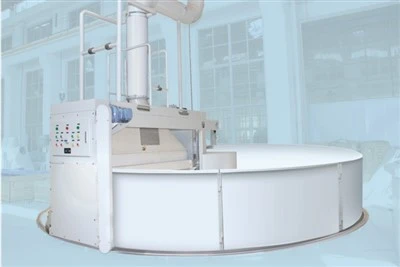
If you’re tired of mediocre non-woven products, high defect rates, and low margins, let’s chat. We’ll break down exactly how a combing machine fits your line, no sales pitch, just real advice based on what’s worked for dozens of other non-woven manufacturers.
Textile Loom References
- Textile Institute. (2021). Non-Woven Fabric Manufacturing: Pre-Processing Innovations. Textile Progress Journal.
- International Fiber Association. (2022). Combing Applications for Specialty Non-Wovens. Fiber Technology Review.
- Smith, J. (2020). Bridging Woven and Non-Woven Lines: The Comber as a Multi-Purpose Tool. Manufacturing Textiles Quarterly.
Shandong Hongye Machinery Co., Ltd.
Shandong Hongye Machinery Co., Ltd. is one of the most professional combing machine manufacturers and suppliers in China, featured by quality products and low price. Please rest assured to buy advanced combing machine in stock here and get quotation from our factory. Also, 1 year warranty is available.
Address: Room 1104, Building No. 2, Haier Yunjie, No. 99 Chongqing South Road, Qingdao, China
E-mail: sales@seavincn.com
WebSite: https://www.sdhymachinery.com/
