Hey there! I’m someone who works with Prototype PCB Assembly, and I’m stoked to chat about the amazing benefits it offers. Prototype PCB Assembly is like the unsung hero in the world of electronics, and I’m here to spill the beans on why it’s so great. Prototype PCB Assembly

First off, let’s talk about cost – efficiency. When you’re in the early stages of developing a new electronic product, you don’t want to break the bank. That’s where prototype PCB assembly comes in. Instead of jumping straight into mass – production, which can be super expensive, especially if there are any design flaws, you can get a small batch of prototypes made. These prototypes are a fraction of the cost of full – scale production. You can test the waters, see if your design works as expected, and make adjustments along the way without losing a fortune.
For example, if you’re developing a new smartwatch and you produce a bunch right off the bat without testing, you might find that the battery life is much shorter than you anticipated. If you’ve invested in large – scale production, that’s a huge loss. But with prototype PCB assembly, you can test the battery life on a few units, figure out what’s going wrong, and then fix the design before moving on to larger production runs. This way, you’re saving a ton of money in the long run.
Another big benefit is the speed of development. In the fast – paced world of electronics, time is of the essence. You don’t want to wait months or even years to get your product to market. Prototype PCB assembly allows you to quickly turn your ideas into tangible products.
The turnaround time for prototype PCB assembly is usually much shorter compared to full – scale production. Most of the time, we can get a prototype ready in a matter of days or weeks, depending on the complexity of the design. This means you can start testing your product, getting feedback from potential users, and making improvements much faster. You can iterate on your design multiple times in a relatively short period, which helps you to perfect your product before launching it.
Let’s say you’re in the process of making a new Bluetooth speaker. You come up with a basic design and get a prototype assembled. Within a week, you have a working speaker in your hands. You can then test its sound quality, connectivity, and other features. If you find any issues, you can make changes to the design, order a new prototype, and have it ready for testing in another week. This rapid iteration process helps you to develop a high – quality product in a shorter time frame.
Quality control is also a major advantage of prototype PCB assembly. When we’re working on prototypes, we can pay close attention to every detail. Each prototype is carefully inspected to ensure that it meets the highest standards.
We use advanced testing equipment to check for things like electrical continuity, component placement accuracy, and soldering quality. If there are any defects, we can identify them early on and fix them before moving on to larger production. This ensures that when you do start mass – producing your product, you’re dealing with a well – tested and high – quality design.
For instance, in a prototype PCB assembly, we might notice that a particular component is not soldered correctly. We can immediately correct the issue and adjust our soldering process if necessary. This proactive approach to quality control helps to prevent potential problems down the line, which can be much more difficult and expensive to fix in full – scale production.
Customization is a huge plus as well. When you’re in the prototype phase, you can customize your PCB design to fit your specific needs. You can choose different materials, component layouts, and even add special features that are unique to your product.
Let’s say you’re developing a medical device. You might need a PCB that is compact, has low power consumption, and is highly reliable. With prototype PCB assembly, we can work with you to design a PCB that meets all of these requirements. We can select the right components, such as low – power microcontrollers and high – quality sensors, and arrange them in a way that maximizes space and functionality. This level of customization is difficult to achieve in mass – production, where you often have to work with more standardized designs.
Learning and innovation are also closely tied to prototype PCB assembly. When you’re building prototypes, you’re constantly learning about your product and the technology behind it. Each prototype is an opportunity to experiment and try out new ideas.
You might discover that a different type of component works better in your design or that a new manufacturing process can improve the performance of your PCB. These insights can lead to innovation in your product. For example, you could be developing a new LED lighting system. Through prototype PCB assembly, you might find that using a different type of LED driver can significantly increase the brightness and energy efficiency of your lights. This kind of innovation can give you a competitive edge in the market.
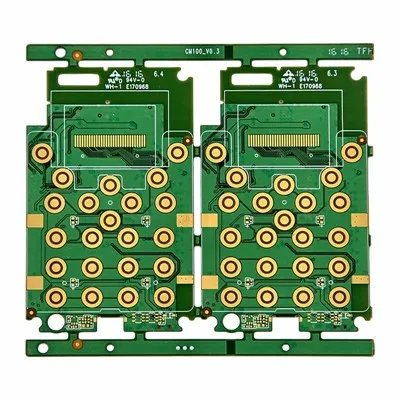
Now, I’d love it if you were interested in learning more about prototype PCB assembly. Whether you’re a startup with a groundbreaking idea or an established company looking to improve an existing product, we’re here to help. We have a team of experienced engineers who can guide you through the entire process, from design to assembly. You can contact our sales team to talk about your specific requirements, and we’ll work with you to come up with the best solution for your project.
Rigid PCB References:
- Electronics Manufacturing Handbook for PCB Prototyping
- Journal of Electronic Component Assembly and Testing
Huaswin Electronics Technology Co., Ltd.
Address: Building A2, Hao Hai Hong Industrial Park, No.3 Yu He Road, Gong He, Sha Jing, Bao An, Shenzhen
E-mail: sales@huaswin.com
WebSite: https://www.huaswin-pcba.com/
